This attraction introduction is compiled from historical materials in the "Zhangjiajie Tour Guide Network" (33519.com · Scenic Spots section). Ticket prices, opening hours, transportation, and contact information mentioned in the text may be outdated. Please refer to the latest official announcements from the scenic area before traveling; some content consists of historical background/cultural introductions and is for reference only.
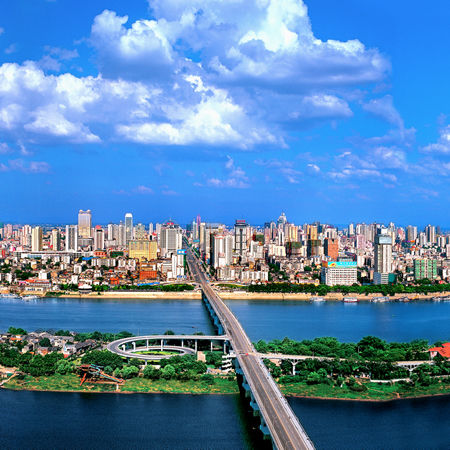
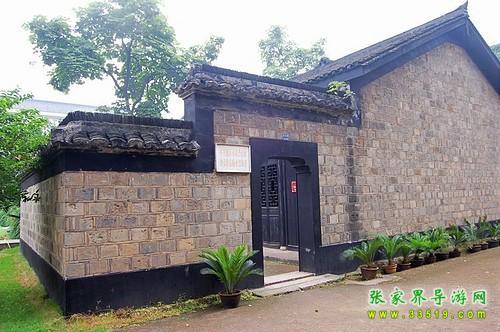
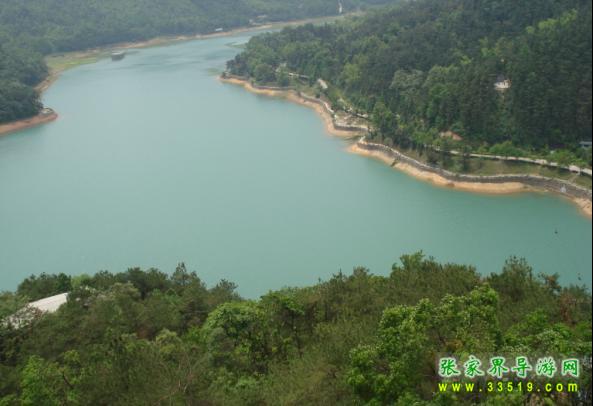
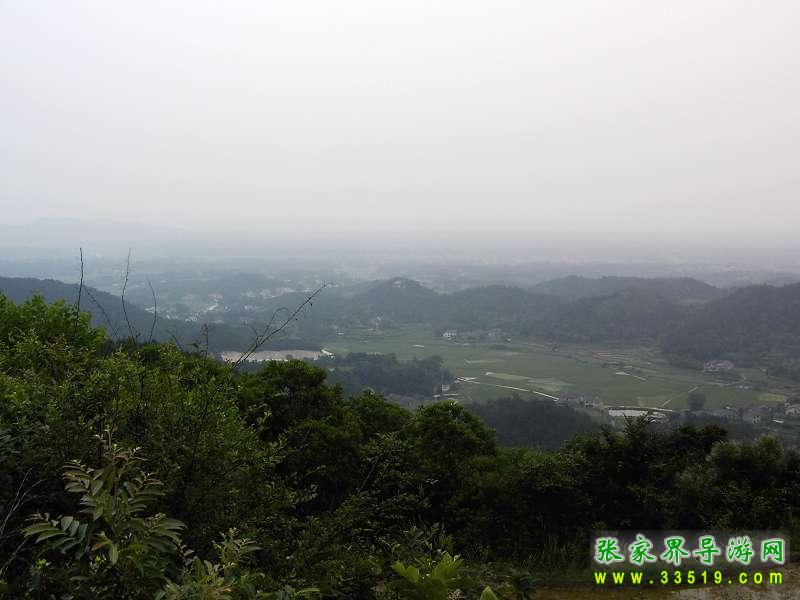
Hunan Forest Botanical Garden was established in 1985 and is located in the southern suburbs of Changsha City. Later, with the approval of the State Forestry Administration, Changsha Tianjiling National Forest Park and the Hunan Wild Animal Rescue Center were successively established on this basis. It is mainly composed of broad-leaved forest, with a forest coverage rate as high as 90 percent, and the air is very fresh. It is adjacent to Changsha South Bus Station, with convenient transportation. It is a green pearl integrating scientific research, tourism, and popular science education. It covers 140 hectares, including 6 hectares of water area. In 1992, the Ministry of Forestry issued a document designating it a national forest park.
The garden is both a scientific research base for the collection, introduction, improved seed cultivation, processing, and utilization of forest plant resources, and an excellent place for popular science tourism and entertainment. The garden contains 10 areas, including a plant classification area, rare and endangered plant area, medicinal plant area, and ornamental plant area, with more than 1,100 species of forest plants and more than 1,800 varieties of flowers and fruit trees.
The garden currently collects and preserves more than 2,000 species and nearly 3,000 varieties of plants in 156 families and 470 genera. The rare and endangered plant area is on the central hillside of the botanical garden and contains rare plants such as dove tree, Chinese tulip tree, golden larch, Cathaya argyrophylla, silver magpie tree, red-flowered manglietia, golden-leaved Michelia, and Huangshan magnolia, totaling 118 species in 95 genera and 54 families. The adjacent medicinal plant area has more than 600 kinds of medicinal materials. It is the area with the richest natural distribution of plant resource varieties in Changsha City. The wild animal rescue and breeding center in the garden has successfully rescued and domesticated more than 110 species and more than 80,000 wild animals, including national Class I protected animals such as red-crowned cranes, yellow-bellied tragopans, and Père David's deer.
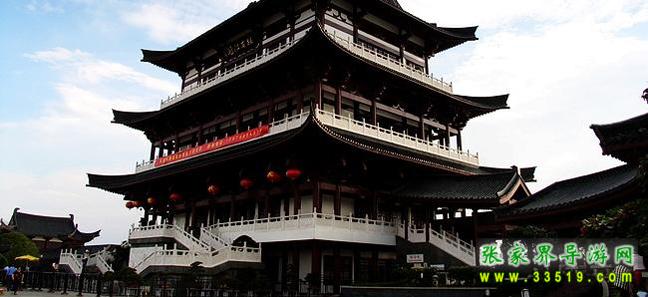
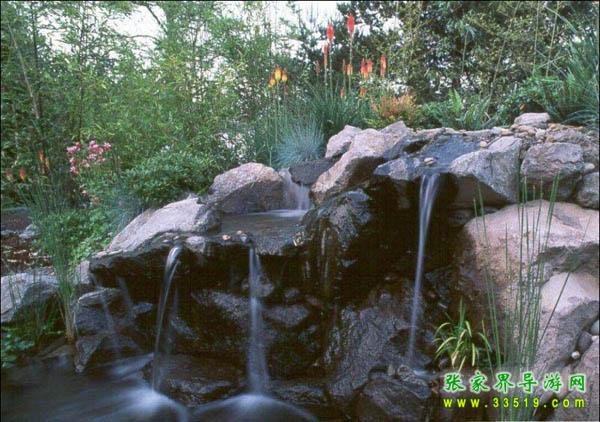
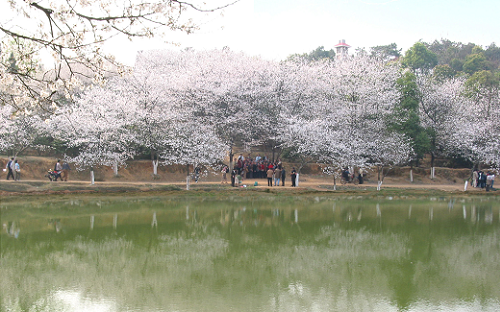
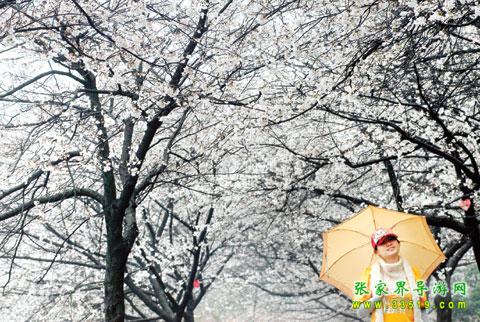
The garden has clear mountains and beautiful waters, with all trees flourishing, and the air is especially fresh, suitable for forest therapy and air therapy. The garden's landscaping is unique. The cultural landscape gardens represented by the Sanxiang Scenic Garden, and the specialized gardens represented by the Cherry Blossom Garden, Rare Shade-Loving Plant Garden, Magnolia Garden, and Osmanthus Garden, are elegant and grand with rich connotations. Every March, nearly 3,000 cherry trees in the garden bloom in competition, and visitors come in an endless stream. The Cherry Blossom Ecological Culture Festival carefully held by our garden has become a popular public festival deeply loved by citizens for spring outings, flower viewing, and socializing. In 1992, on a hillock at an elevation of 106 meters in the western part of the park, Tianji Pavilion was newly built. It is 20 meters high, with 4 stories, square below and hexagonal above, with upturned corners and a precious top, covered with yellow glazed tiles, with red railings and painted beams, brilliant and dazzling, adding a new scenic spot to the southern suburbs.
In 1998, the country's first "Forest and Wetland Biodiversity Conservation Public Education Center" and the "Yuhua District Youth Quality Education Base" were successively completed in our garden. Over more than 10 years, the garden has presided over or participated in 46 scientific research projects, obtained 2 invention patents, and won ministerial and provincial science and technology progress awards for 16 achievements. It has received nearly 1,000 experts and scholars from more than 20 countries including the United States, Japan, Finland, and Australia, and the "Chinese Language Training Center" jointly run with the American company MTI has become a window and bridge for opening to the outside world. At present, it has established long-term seed exchange relations with more than 40 botanical gardens in 18 countries and regions. Education on means of production, technical training, and forest tourism are the key development priorities of the botanical garden. Popular science activities are carried out by providing guided tours on animal and plant knowledge and teaching practice guidance. According to statistics, it has received 12,000 college and secondary school students for internships and about 600,000 primary and secondary school students and tourists. A number of recreational projects featuring wild fun, such as camping, fishing, horse riding, barbecuing, live-fire shooting, and a bird park, have been successively launched, achieving good social and economic benefits.