This attraction introduction is compiled from historical materials in the "Zhangjiajie Tour Guide Network" (33519.com · Scenic Spots section). Ticket prices, opening hours, transportation, and contact information mentioned in the text may be outdated. Please refer to the latest official announcements from the scenic area before traveling; some content consists of historical background/cultural introductions and is for reference only.
Introduction
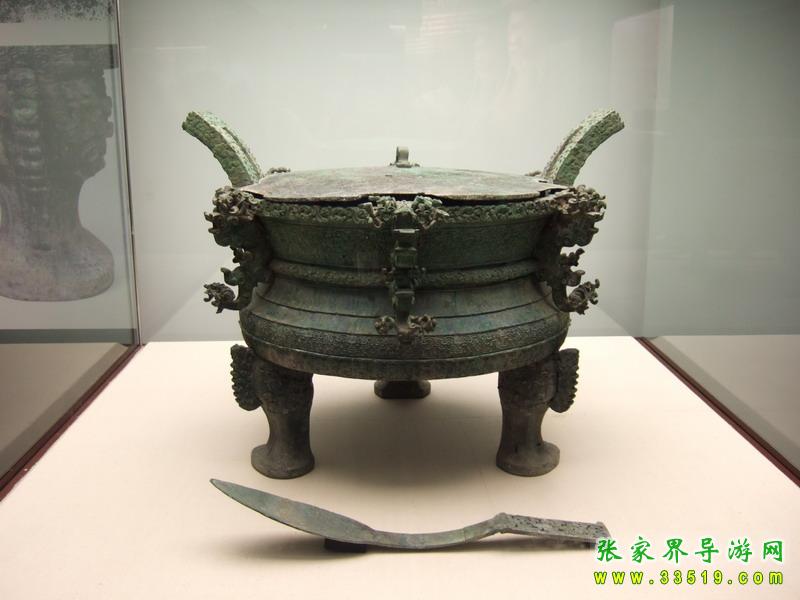
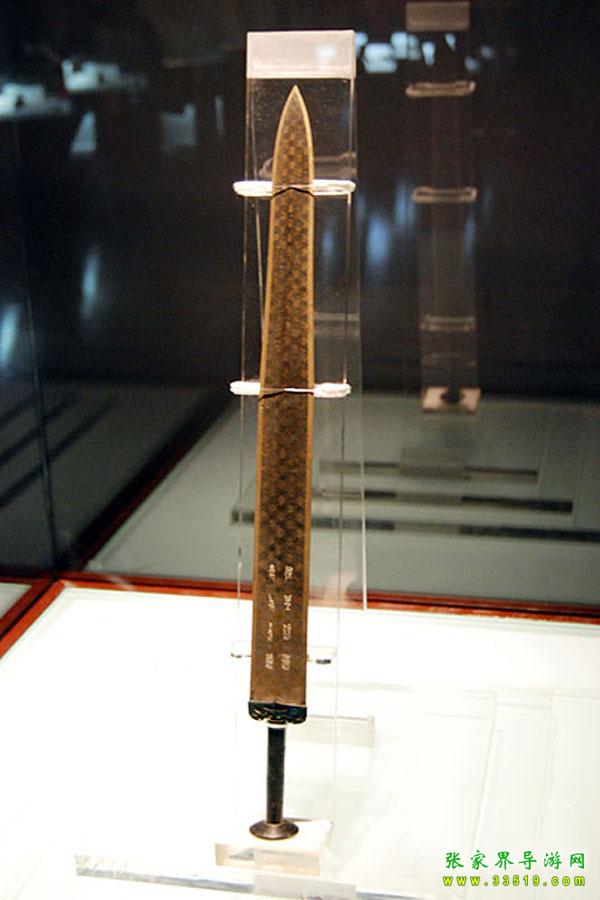
The Hunan Provincial Museum was founded in the early 1950s in Kaifu District of Changsha, a famous historical and cultural city. Adjacent to the scenic Martyrs' Park, it covers an area of 51,000 square meters, with a public floor area of 29,000 square meters. The museum boasts a rich collection of cultural relics, most notably the world-renowned artifacts from the Mawangdui Han Tomb, Shang and Zhou bronzes, Chu relics, ceramics of successive dynasties, calligraphy and paintings, and modern and contemporary artifacts. It is the largest comprehensive history and art museum in the province, a national exemplary base for patriotic education, and one of Hunan's 4A-level tourist attractions.
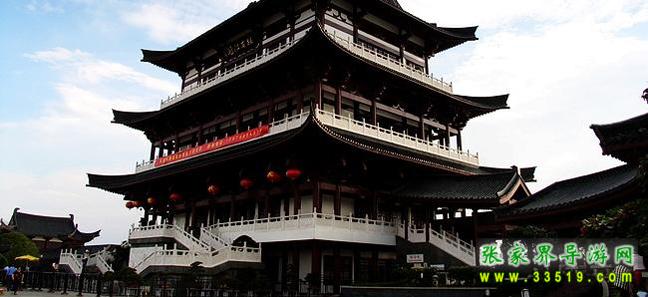
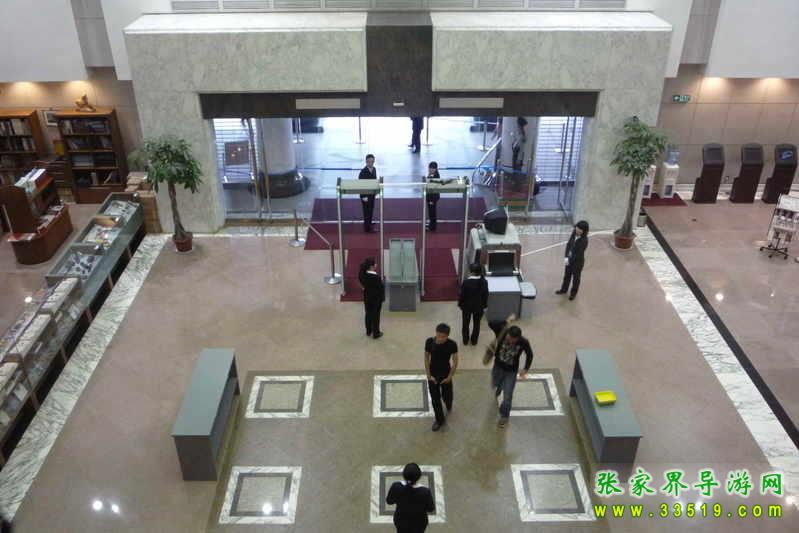
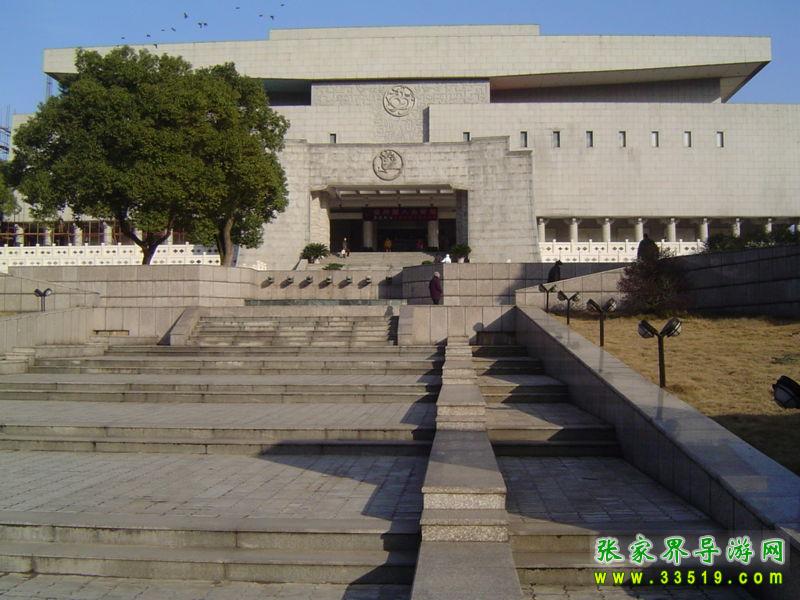
The Hunan Provincial Museum is shaded by green trees and offers a serene environment. The new exhibition building, completed at the end of the 20th century, has a quaint and imposing design, showcasing the rich connotations of Huxiang culture with its unique style, and has become one of the landmark buildings of the ancient city of Changsha. The new exhibition building is equipped with advanced facilities and full functions, housing five permanent exhibitions centered on the 'Mawangdui Han Tomb' display, as well as temporary exhibitions.
The Hunan Provincial Museum gathers the cultural relics of the Huxiang region, presenting the origins and development of Xiangchu civilization. It attracts hundreds of thousands of visitors from home and abroad each year, serving as an important window for people to understand the progress of Huxiang civilization and appreciate the mysteries of Huxiang culture.
Hunan is one of the earlier regions in China to have museums. As early as 1897, the Chenzhou Society established the Chenzhou Society Museum, which unfortunately was short-lived and came to an end with the failure of the Hundred Days' Reform. In 1923, the government funded the construction of the Hunan Provincial Education Association Museum, which was officially named 'Hunan Provincial Museum' in 1927. However, the flames of war in 1930 completely destroyed the museum, and it was never restored thereafter.
In March 1951, the preparatory office of the Hunan Provincial Museum was established at Baiqin Garden on Liufang Ridge in Changsha. In 1956, it opened in the beautiful surroundings of Martyrs' Park in the northwest of Changsha. At the beginning, the museum aimed to build a 'local chronicle museum' and carried out the collection and display of cultural relics and specimens reflecting Hunan's history, culture, folk customs, art, and natural resources. It held six major exhibitions, including Hunan Mineral Resources, Hunan Agricultural Resources, Hunan Handicrafts, and Hunan Chu Relics Exhibition. Among them, the collection of Chu relics and Hunan modern and contemporary celebrities have remained highly distinctive parts of the museum's collection, laying a solid foundation for today's collection and exhibitions.
Later, with the increase in archaeological discoveries in Hunan, the proportion of excavated artifacts in the museum's collection grew increasingly significant. The museum gradually shifted from an equal emphasis on natural and historical collections and displays at its founding to a focus primarily on historical collections and displays. Especially after the excavation of the Mawangdui Han Tomb, the museum's character as a historical and archaeological museum became very evident. In 1971, mineral specimens stored in the museum were transferred to the Hunan Provincial Geological Bureau, and in 1979, animal and plant specimens were lent to Changsha No. 1 Middle School. The Hunan Provincial Museum completely abandoned the collection of natural specimens, and its central work and business focus were basically centered around historical relics and archaeological work.
From 1972 to 1974, the excavation of the Mawangdui Han Tomb, one of the major archaeological discoveries of the 20th century in China and the world, was of particularly great significance to the museum's development. It not only unearthed thousands of exquisite artifacts and a well-preserved female corpse over 2,000 years old, but this discovery also made the Hunan Provincial Museum the focus of world attention for the first time, receiving unprecedented government attention and widespread social support and interest. The museum's collection and exhibition standards were greatly elevated as a result. In 1973, with the care of the State Council, the museum built a new warehouse with a floor area of 3,510 square meters (later converted into a venue for both preservation and display), which played a key role in the preservation and display of the artifacts unearthed from the Mawangdui Han Tomb for nearly thirty years. The Mawangdui Han Tomb exhibition has always been a well-known brand supporting the museum.
Since the 1990s, the tourism market has boomed. The audience for the Mawangdui Han Tomb exhibition multiplied, and the old exhibition hall could no longer meet the needs of visitors. At the turn of the century, in order to more comprehensively protect and display the ancient civilization of Hunan represented by the artifacts unearthed from the Mawangdui Han Tomb, with the support of the state and government, the museum built a new modern exhibition building with an area of 14,000 square meters. The permanent exhibitions in the building fully reflected the museum's transformation into a 'history and art museum' since the late 1980s. The construction of the new exhibition building was a new starting point for the development of the Hunan Provincial Museum at the turn of the century, promoting the comprehensive development of all work. In particular, the large-scale commemorative and art exhibitions held in the building not only enlivened the cultural life of the provincial capital but also injected vitality into the museum, trained talent, and enabled the Hunan Provincial Museum to embark on a new history from a relatively high new starting point.